
From Tragedy to Triumph: How Toxic Mold Inspired My Journey to Help Others Heal

Toxic mold is often invisible, but its effects can be devastating. My family’s life changed dramatically when we unknowingly lived in a home filled with toxic mold and harmful chemicals. The health problems we faced were confusing and frightening: fatigue, brain fog, unexplained pain, digestive and respiratory issues, and weakened immune systems. Two of our children developed neurological disorders. Our story is one of loss, struggle, and ultimately, hope. It also sparked a mission to help others avoid the same pain and find healing.
The Hidden Danger in Our Home
We didn’t realize the danger lurking in our home until the health problems became impossible to ignore. Toxic mold and industrial chemicals from past renovations had contaminated the air and surfaces. Despite hiring a professional remediation company, the problem worsened after two attempts. We lost most of our possessions and were forced into homelessness for 18 weeks. The trauma was overwhelming, and sharing our experience was met with skepticism and blame from many around us.
This experience taught me that toxic mold is not just a nuisance; it can destroy lives. The stigma surrounding mold illness often leaves victims isolated and misunderstood. Many people dismiss symptoms as exaggerations because they don’t see the mold or experience illness themselves. This misunderstanding adds to the emotional burden of those affected.
Turning Pain into Purpose
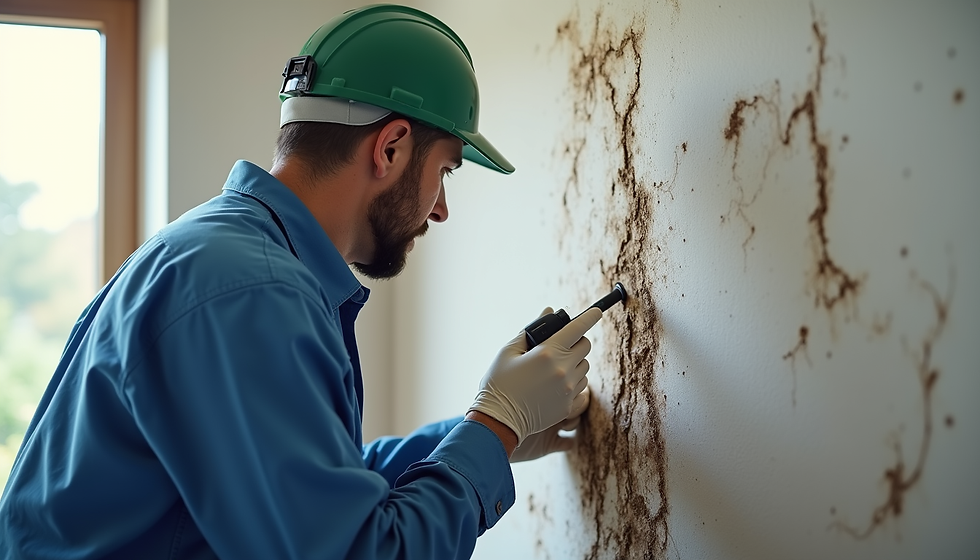
After recovering much of our health and some possessions, I decided to become a mold inspector. My goal was clear: to prevent others from suffering as we did. I trained extensively to identify mold sources that others missed and to understand the different types of mold and their health impacts. Over time, I developed skills in remediation that saved buildings and possessions others had given up on.
I specialize in teaching people how to remediate their homes safely and effectively, often saving them tens of thousands of dollars. Not everything can be saved, but with the right knowledge and support, many can recover their health and belongings. My work is about more than mold; it’s about restoring hope and guiding families through a difficult journey toward healing—body, mind, and spirit.
Recognizing the Signs of Toxic Mold Exposure
Understanding the symptoms of toxic mold exposure is crucial. Common signs include:
Persistent fatigue and brain fog
Unexplained limb pain and digestive problems
Respiratory issues and frequent infections
Excessive hunger or thirst
Neurological symptoms, especially in children
About 25% of the population lacks the ability to process mold and mycotoxin exposure, leading to conditions known as Chronic Inflammatory Response Syndrome (CIRS) and Multiple Chemical Sensitivity (MCS). Those with this condition must have a multi-faceted approach to remediation. If you or your family experience these symptoms without clear cause, consider the possibility of mold exposure. Early detection can prevent long-term health problems and reduce the need for costly remediation.
What to Do If You Suspect Mold in Your Home
If you suspect toxic mold, take these steps:
Inspect your home carefully
Look for visible mold, musty odors, water damage, or leaks. Mold often hides behind walls, under floors, or in HVAC systems.
Hire a qualified mold inspector
Choose someone with proven experience and knowledge of different mold types. Avoid companies that rush or use generic solutions.
Test the environment
Air and surface testing can identify mold species and contamination levels. This information guides effective remediation.
Plan remediation carefully
Mold removal requires containment, proper cleaning, and sometimes removal of affected materials. DIY remediation is possible with guidance but must be done safely.
Protect your health during remediation
Use protective gear and ensure proper ventilation. Avoid exposure to mold spores, which can worsen symptoms.
Saving Possessions and Reducing Costs
One of the hardest parts of mold contamination is losing cherished possessions. Many people assume everything must be discarded, but that is not always true. With the right techniques, some items can be cleaned and restored. I help families identify what can be saved and how to do it safely.
Teaching people to remediate their homes themselves also reduces costs significantly. Professional remediation can cost tens of thousands of dollars, but with proper training and support, homeowners can manage many aspects of the process on their own. This approach empowers families and reduces financial stress during an already difficult time.
Supporting Families Through Mold-Related Trauma
The emotional toll of toxic mold exposure is often overlooked. Families face health crises, financial loss, and social stigma. Many feel isolated because others don’t understand or believe their experience. Compassion and support are essential.
I provide more than technical help—I offer empathy and companionship. Sharing knowledge and listening to families’ stories helps rebuild trust and confidence. Healing is not just physical; it involves mental and emotional recovery as well.
Moving Forward with Hope
Our journey through toxic mold was painful, but it led to a new purpose. By sharing our story and expertise, I help others avoid the same heartache. Mold contamination is a serious issue, but it is not hopeless. With the right information, support, and action, families can reclaim their health and homes.
If you suspect mold in your environment or are struggling with unexplained health problems, don’t wait. Seek professional help, learn about remediation options, and connect with others who understand. You are not alone, and recovery is possible.


Comments